


Spicebush (Lindera benzoin)
A Lemon Scented Native Shrub
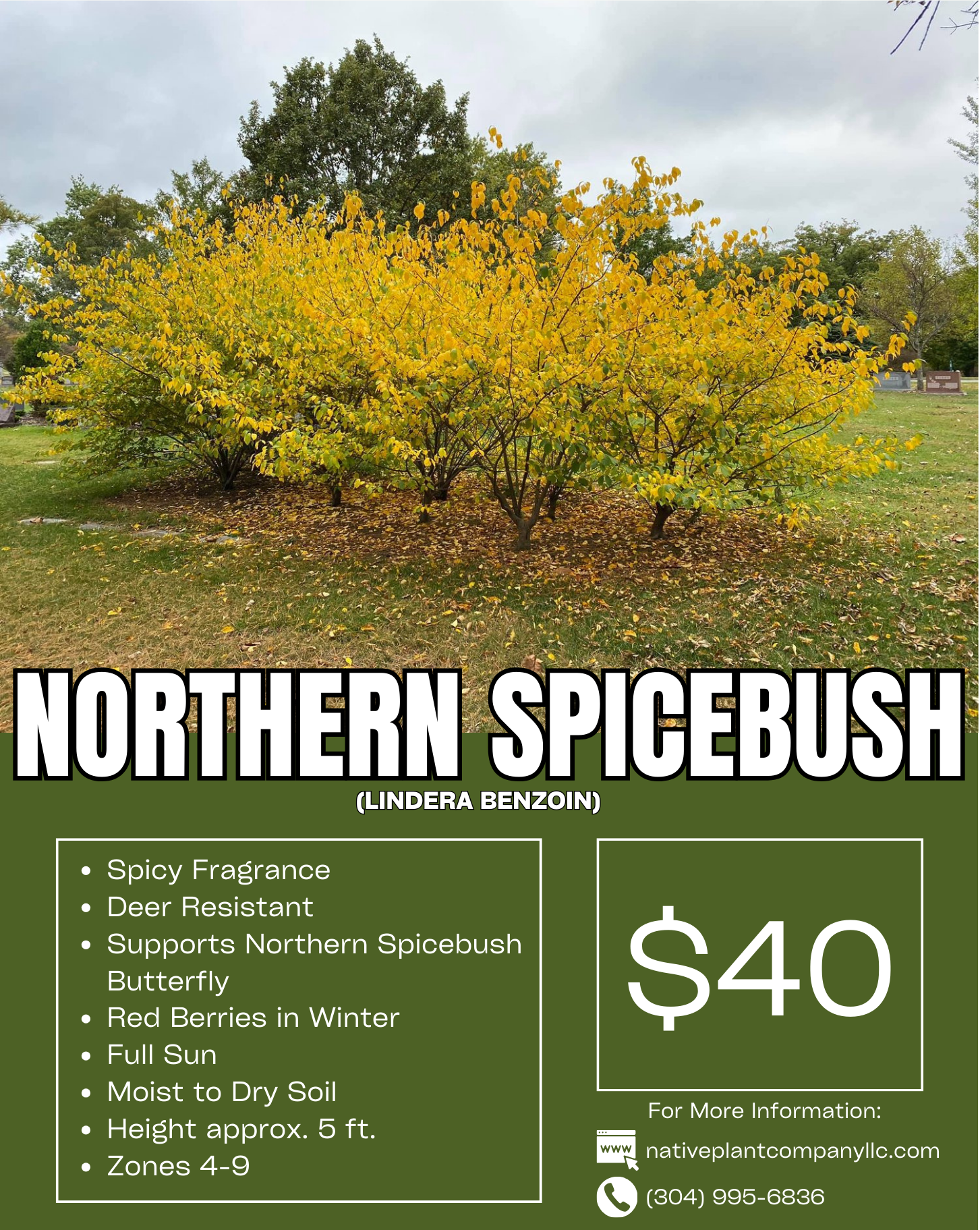
Spicebush (Lindera benzoin) is a native shrub found throughout the Eastern United States. This aromatic woodland shrub thrives in stream banks, shade or partial shade gardens, and woodland edges, making it a versatile addition to native landscapes. Its name comes from the fragrant leaves and twigs, which release a spicy, citrus-like scent when crushed. I enjoy walking through a patch of Lindera benzoin; when you brush against the leaves, they release a fresh lemon scent. This smell also makes it deer resistant.
Wildlife Benefits of Spicebush
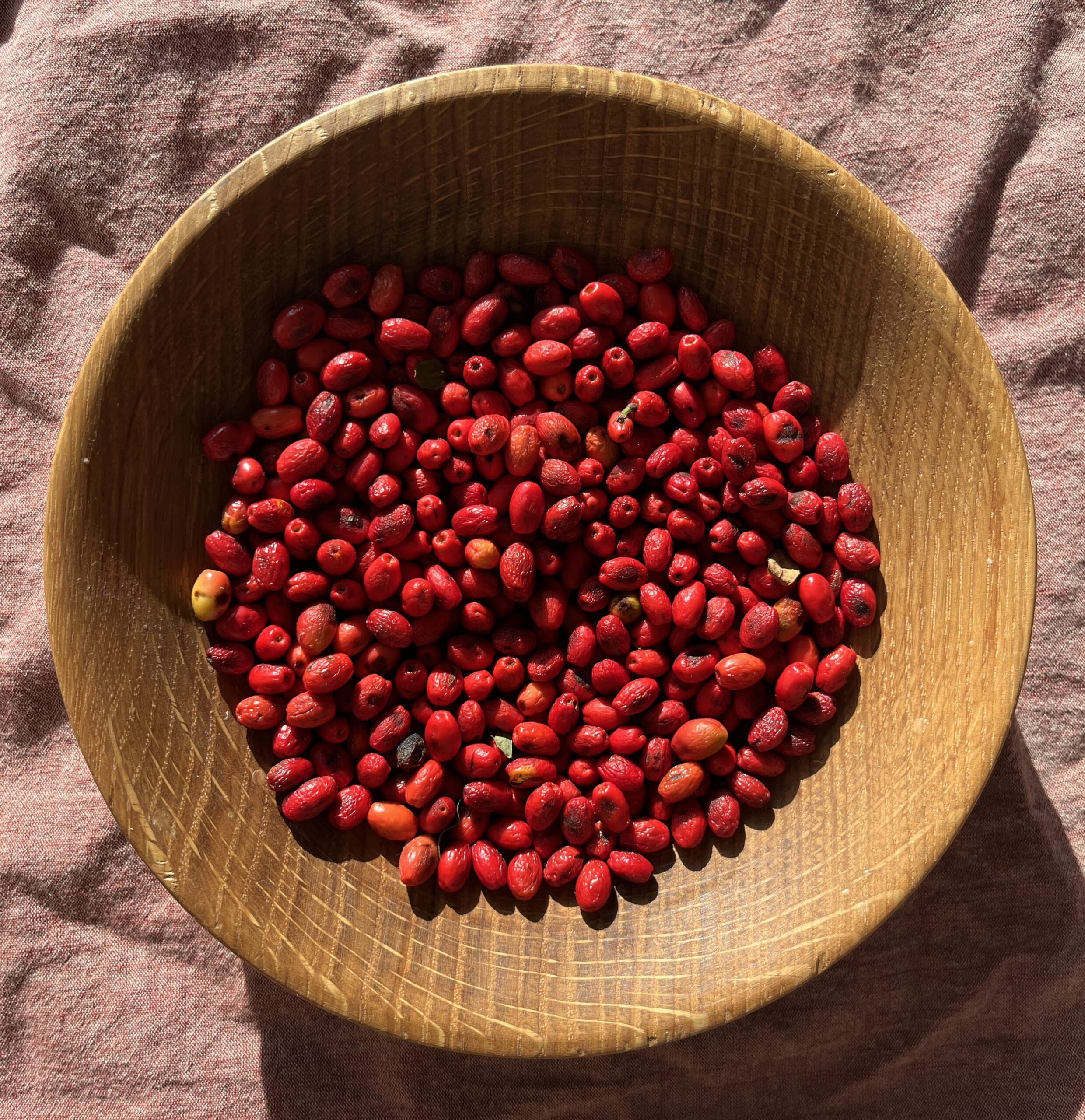
Spicebush is the host plant for the spicebush swallowtail butterfly and promethea silkmoth, whose caterpillars depend on its leaves for food. Birds, including thrushes and vireos, eat the bright red berries in late summer and fall. Mammals such as deer and rabbits browse the foliage, and pollinators visit the tiny yellow flowers that appear in early spring.
Seasonal Interest and Ornamental Value
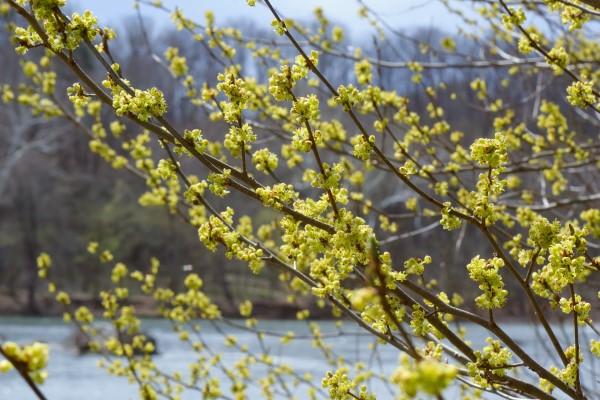
In early spring, clusters of yellow flowers bloom before the leaves emerge, brightening a dreary garden. During summer, the light green foliage provides cover for bird nests and rabbits. In fall, the lemon-scented leaves display their golden color, while female plants produce bright red berries that contrast beautifully with the foliage. This year-round beauty makes spicebush a valuable ornamental shrub for native gardens.
Growing Spicebush in Your Landscape
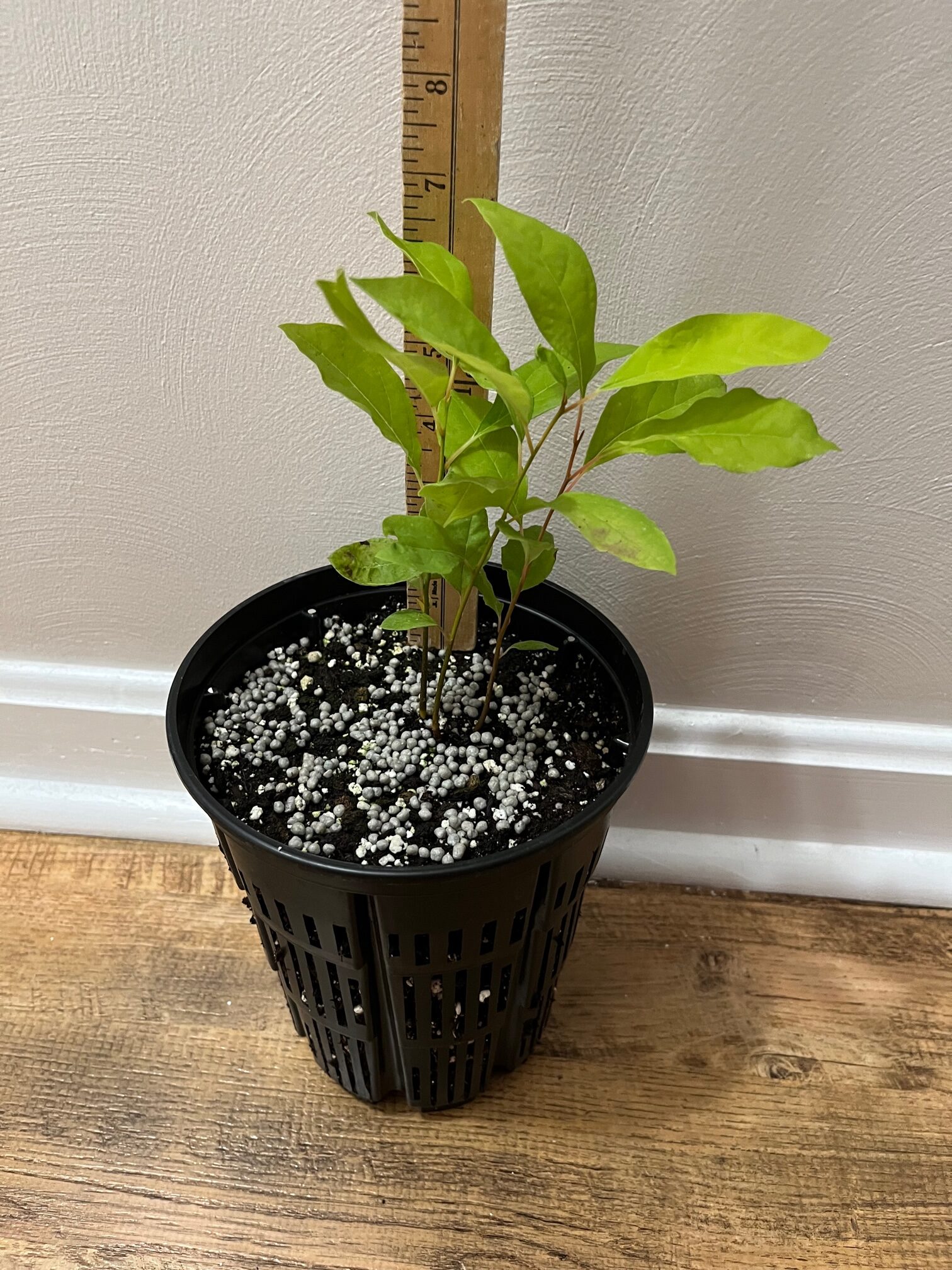
This hardy woodland shrub grows in dry, moist, or wet, well-drained soils with partial shade to full sun. While tolerant of a range of conditions, it thrives in rich woodland soil. It typically reaches 6 to 12 feet tall, forming a rounded, multi-stemmed shape. Gentle yearly pruning encourages dense leaf growth and shorter height however not necessary. Planting multiple shrubs increases probability of fruit production, since both male and female plants are required for berry growth. Male and female plants are identified during flowering. Male flowers have 9 stamens and female flowers have a bowling pin shaped ovary.
A Native Shrub with History
Historically, the leaves and twigs of Lindera benzoin were brewed into teas, and its berries were used as a pepper substitute. Today, it continues to provide both cultural value and critical wildlife habitat. By planting spicebush, you support pollinators, migratory birds, and butterflies while adding beauty and fragrance to your garden.

Reviews
There are no reviews yet.